
One Odoo for medical-device manufacturing, full lot traceability.
Beldico, a Belgian maker of single-use sterile medical devices, replaced an aging ERP, Excel files and paper trails with one platform built for audit-ready production.
Sector
Health & Pharma. Medical device manufacturing.
Footprint
Marche-en-Famenne, Belgium. 4,800 m² plant with a 600 m² clean room. Subsidiaries in the Netherlands and France.
Scale
11 production lines across two zones, running 24/7.
Dynapps partner
Since 2022.
Backing
Independent Belgian manufacturer, founded 1986.
Before Dynapps stepped in.
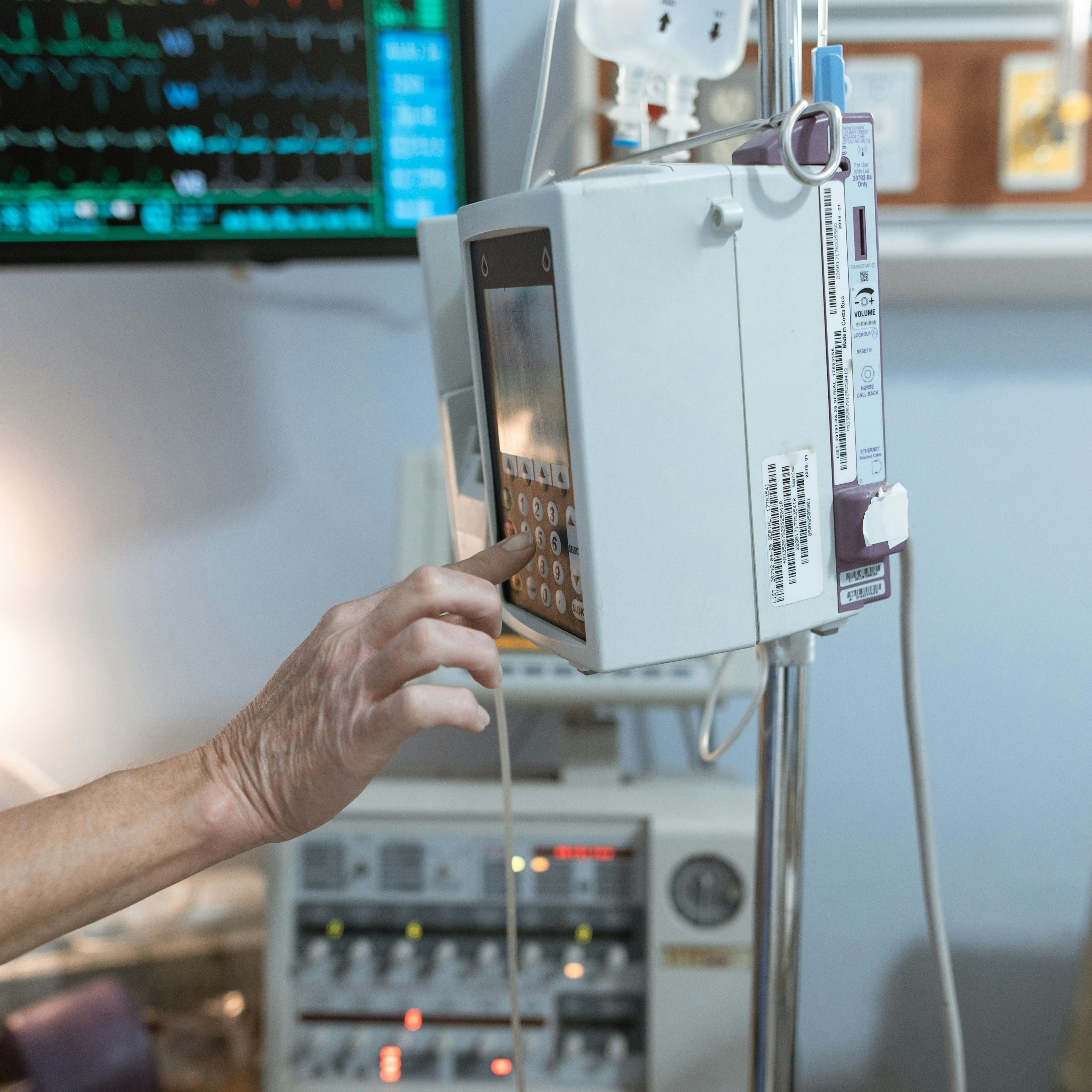
By late 2022, Beldico's existing ERP had run its course. The Marche-en-Famenne site had been making single-use sterile medical devices since 1986, with product lines covering neonatology and maternity (baby bottles, teats, devices for premature infants), hemodialysis, intensive care, cosmetic surgery and transplant bags. Production volumes had grown alongside regulatory expectations, and the gap between the two was widening. The aging ERP was being propped up by Excel workbooks and paper forms. Jessica Weve, the factory's directrice d'usine, framed the choice plainly: the company needed a modern, centralised system that could carry the next phase of growth and stand up to the audited demands of the medical sector.
The challenge
Where the cracks showed.
The label that wouldn't follow the box.
The old system printed a new label every time a package moved in the warehouse. By dispatch, the paper trail and the system record disagreed, and rebuilding the real history meant cross-checking printouts by hand.
The audit dossier in three places.
Quality records, quarantine status and batch history were spread across the aging ERP, Excel workbooks and paper forms. Pulling a single coherent batch history, for a regulator or an internal release decision, was a manual reconciliation across systems that did not talk to each other.
The stock view a day behind.
Without real-time visibility into stock movements, supply chain decisions ran on snapshots that were already stale by the time they reached production. The cost was the slow drag of working from incomplete information, every day.
Why Beldico replaced its legacy ERP with Odoo.
Manufacturing volumes climbed, audit expectations did not loosen, and the existing toolkit could not absorb either. The choice approaching was not whether to replace the ERP, but how. What Beldico wanted was a more modern, more flexible ERP, one that would free the team to focus on growth rather than on the repetitive operational tasks the existing toolkit could no longer absorb.
A generic ERP template applied to the factory floor
The existing toolkit had already shown that a system assuming how the operation should run, rather than modelling how it actually ran, was the thing that broke under growth and audit pressure together.
Odoo with Dynapps as integrator
Jessica's framing is direct: the company found Odoo, and then needed an integrator that would model the operation as it actually ran on the factory floor. What closed the choice on Dynapps specifically was the commitment to spending time on-site, working through data quality and process structure with Beldico's own staff.
How the rollout really happened
How Beldico went live on Odoo in a single cutover.
Late 2022
Kickoff. Analysis of the system and pain points: labels regenerated at every move, no real-time stock visibility, data fragmented across quality, supply chain and inventory.
2023
Full go-live in a single cutover, with the production lines running 24/7 from day one.
2026
Continuous optimisation and ongoing development.
What Beldico built on Odoo for audit-ready manufacturing.
The scope spanned manufacturing, quality, supply chain, logistics and inventory. The main modules configured were Manufacturing, Inventory operations (logistics and supply chain), Purchasing and Sales, Accounting, and EDI, with Direct Print integrated for the label-printing stack. The operational change Beldico talks about first is the single-package concept: one label stays with the box from packing through dispatch, replacing the practice of regenerating a label at every move. Real-time stock visibility followed from it, telling the supply chain team what is where as it changes, not after the fact. The work ran with a Dynapps team of around ten across four roles (experts, consulting and project management, service, development), led by Sofian Gourari, paired with a Beldico project team drawn from every function the platform would touch: Jessica Weve as project manager and Single Point of Contact, Isabelle Van Lierde on logistics and production, with quality and accounting leads alongside.
Modules: manufacturing, inventory (logistics & supply chain), purchasing, sales, accounting, EDI, Direct Print.
The discipline throughout.
The working principle that defined the engagement was out-of-the-box Odoo first, with adaptations only where medical-device regulation made standard configuration impossible. Sofian Gourari, the Dynapps operations manager who led the work, frames it directly: the team favoured a maximum of standard functionality while adapting the system to the industrial and regulatory realities of Beldico. Jessica set the same expectation from the customer side; the principle held.
Making Odoo the single source of truth.
The hardest part of the project was the jump from a legacy ERP to Odoo: the change-management distance between the old ways of working and the new ones. What took the most work was helping teams become comfortable using Odoo as the primary source of truth rather than continuing to rely on parallel processes and long-established habits. The challenge was less about the tool itself and more about aligning day-to-day operations around a single system where information, follow-up and traceability were managed consistently. Dynapps absorbed that with intensity rather than speed: many working sessions with the Beldico team, repeated training rounds, on-site presence at the desks. By go-live in April 2025, the platform was running across the full site twenty-four hours a day, which is the truest measure that the change had taken.

Modelling our processes in Odoo has given us fluidity and reliability. Quarantine and label management is much simpler, and real-time traceability strengthens our decisions.
Isabelle Van Lierde
Supply Chain Assistant at BeldicoA three-factor pattern for regulated mid-caps.
Beldico did not leave Dynapps with a finished template for medical-device manufacturers. It left a three-factor pattern Dynapps now leads with on regulated mid-cap engagements. The first is that client availability counts more than methodology: Beldico kept a project owner effectively dedicated to the Odoo work alongside her day job, and the rhythm of progress traced back to that more than to any process Dynapps brought. The second is that industry depth makes audit work serious; on Beldico, that depth showed up most concretely in the User Requirements Specification Dynapps helped draft for the auditors, an artefact that now travels into other regulated cases. The third is that local presence is a quality choice, not a logistics one: being near the warehouse and the production lines, regularly, is where the data quality work landed.
The numbers
After replacing a legacy ERP, 12 months of outcomes at Beldico.
Twelve months after the full cutover, the operational picture is visible in four numbers. The platform's throughput, the uptime since day one, the accounting time freed at month-end, and how fast invoices come back during an audit.
110M+
sterile units handled in the first 12 months.
24/7
lines running since day one, on a single full cutover, no phased rollout.
1
week of accounting work freed up per year, with no ERP freeze at month-end close.
2-3
hours less invoice searching per audit, lookups now instant with Peppol and Odoo.
When the audit trail produces itself in real time.
The shift Beldico made is not in any single module. It is in the default question. Before: how do we reconstruct the audit trail after the fact, by pulling the aging ERP, Excel and paper together? After: the audit trail produces itself in real time as work happens, lot by lot, label by label. Compliance moves from a reconstruction exercise to a property of the system. That changes who has time for what, and which conversations the quality team can actually have.
If this sounds familiar, let’s talk.
Wherever your business is heading and wherever it's getting stuck, an expert who has run this kind of work is the right person to start with, before you commit to a direction or a platform.
Go deeper
Read further.
Implement Odoo
From blueprint to go-live, built around how your industry actually operates.
Untangling disconnected systems
Production in one system. CRM in another. Finance in a third. A technology landscape nobody designed, where workarounds have piled up for years until reconciling the numbers takes more time than the work it reports on.
Manufacturing
Production floor, finance, and supply chain in the same language.
More stories like this
- Food & beverage
Food & beverage
Cazes: Odoo at the counter, SAP for the group books
Cazes moved its boutique and wine-fair sales onto Odoo Point of Sale, retired a clumsy SAP Fiori till, and left accounting, invoicing and alcohol duties on the Advini group's SAP S/4.
- Manufacturing
Manufacturing
How Nobi tracks every smart lamp from the Belgian assembly line to the care room.
A fast-growing health-tech manufacturer tried to stand up Odoo itself, hit a wall on serial-number traceability, and turned to Dynapps to clean up the setup and rebuild the flow, from component picking to a fully documented, serial-tracked finished product.
- Retail & wholesale
Retail & wholesale
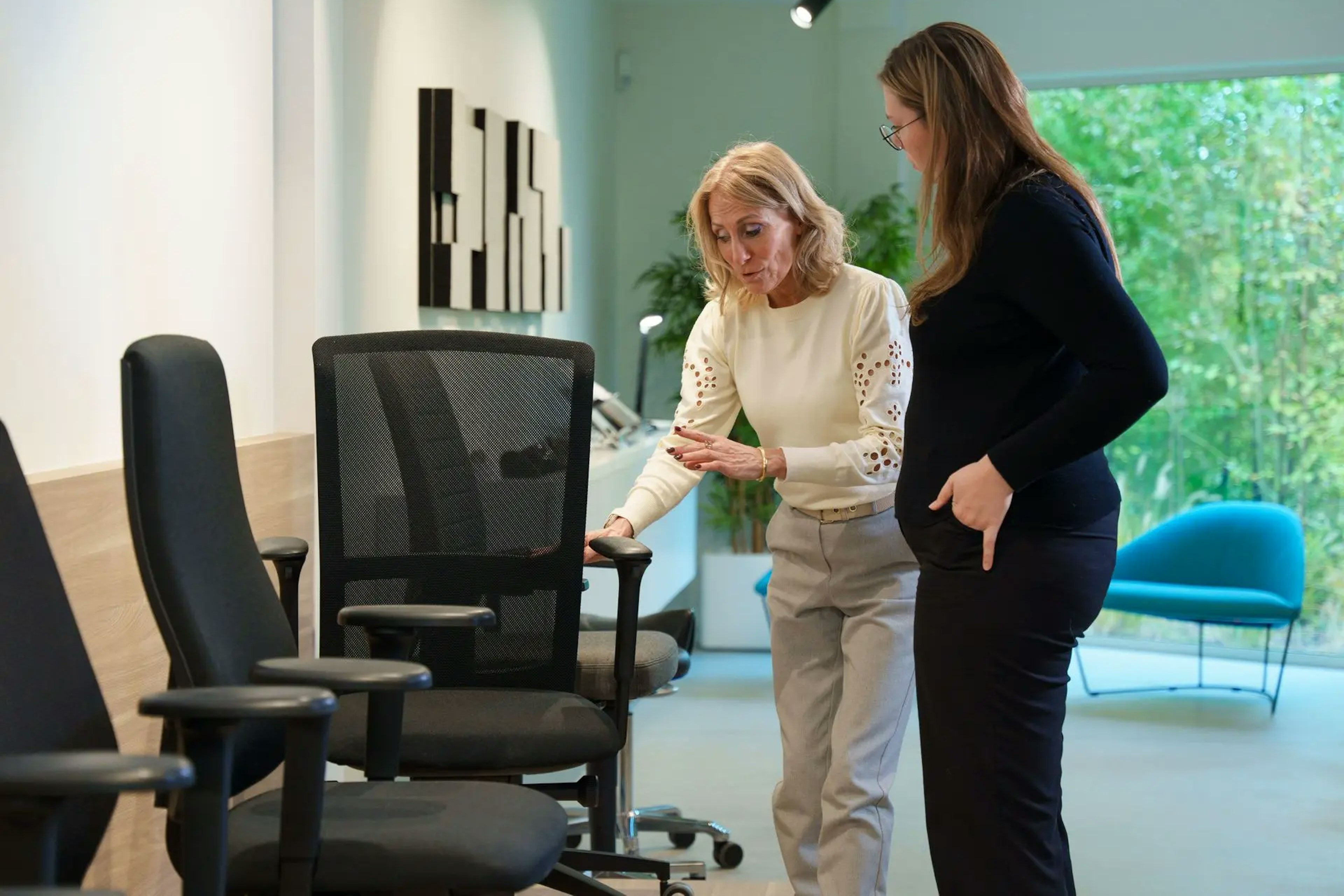
Ergonomio replaced a twenty-year custom FileMaker webshop with one Odoo platform.
Moving from a bespoke FileMaker system to standard Odoo meant rebuilding every product record and letting go of a two-decade-old way of working.
- Energy & utilities

Energy & utilities
One Odoo platform for a multi-company energy consultancy: Tunérgia replaces Telegram, Excel and scattered tools
After sixteen years on paper, Excel and Telegram, Tunérgia put its multi-company energy consultancy onto one Odoo platform with Dynapps: leads, projects, signatures and surveys in one traceable place.
- Financial services

Financial services
How Régie Châtel runs every PPE assembly on one platform
A Swiss family agency runs more than 100 condominium administrations on a single custom platform built with Dynapps. It replaced a workflow of Word mail-merges and Excel trackers.
- Food & beverage
Food & beverage
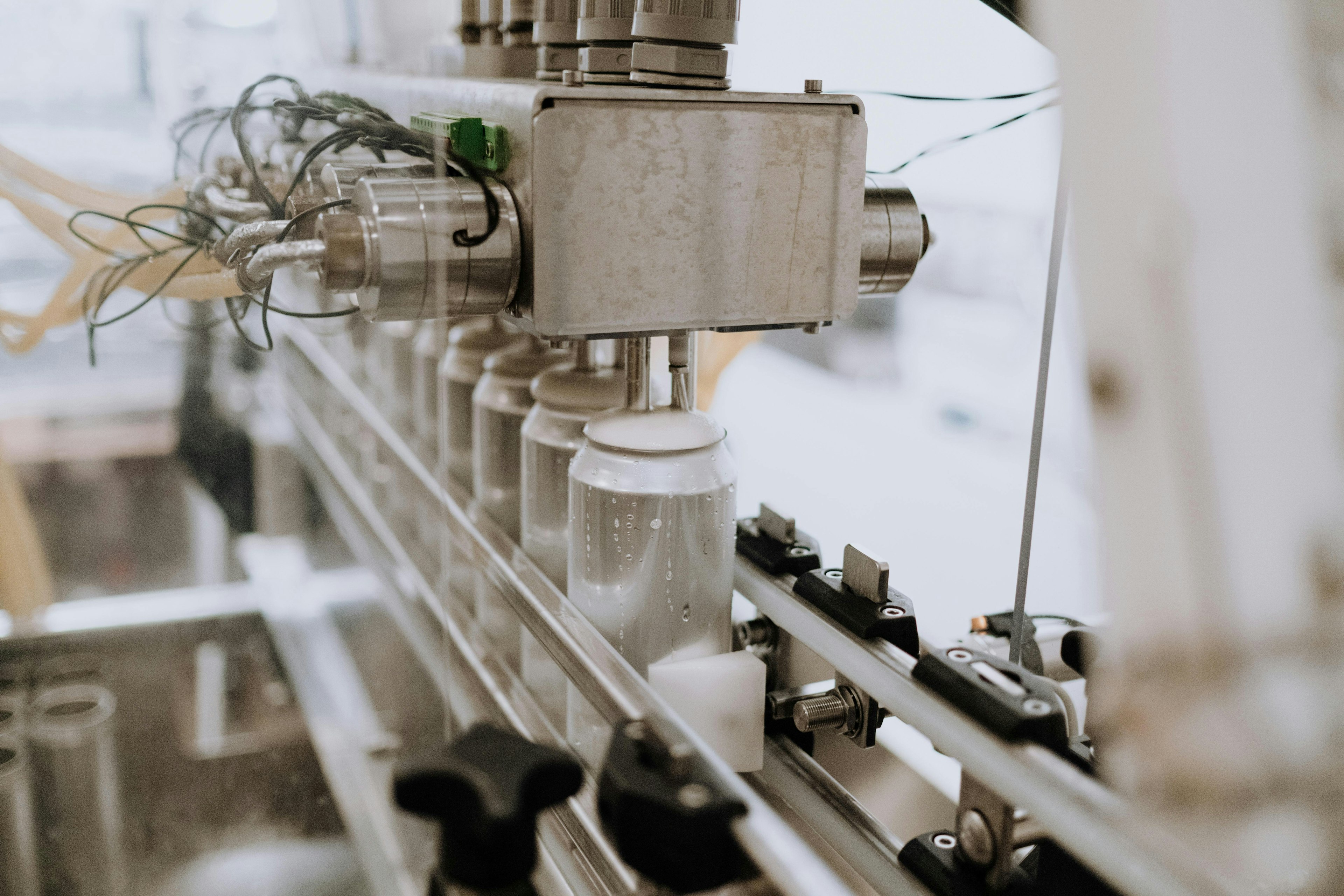
One Odoo template across 14 Puratos production sites in four continents
Belgian family-owned ingredients manufacturer, 75 production units across 55 countries. Kept SAP at the largest sites; built one Odoo template for the smaller acquisitions.
- Financial services

Financial services
One Odoo backbone, from 100 to 36,000 leased bikes
Cyclis Bike Lease grew from a four-founder startup in Hasselt to 36,000+ leased bikes. Dynapps replaced the founders’ DIY setup with a single Odoo platform that scales with the business.
- Laboratories
Laboratories
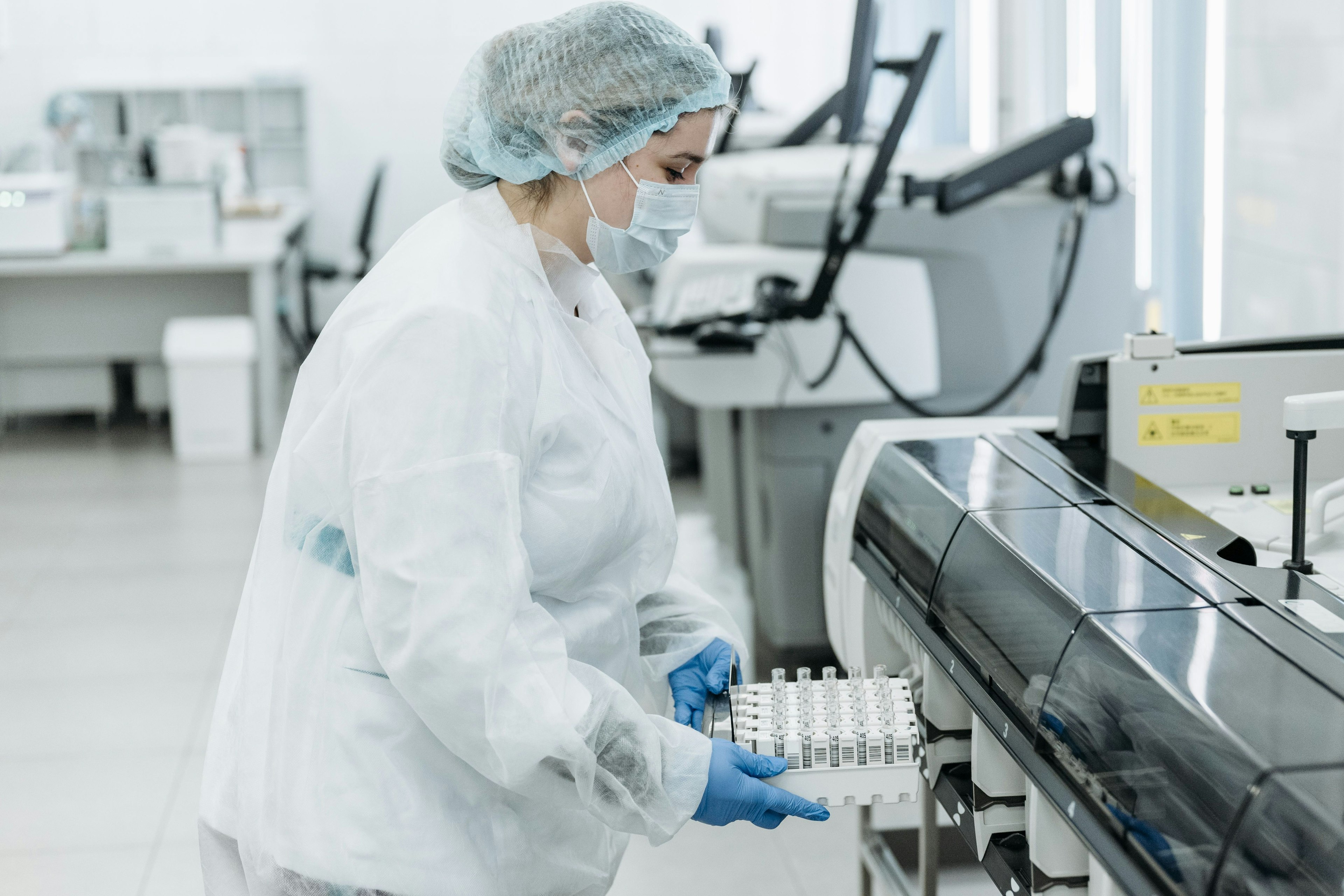
Seven specialised labs on one integrated Odoo and LIMS platform
Seven specialised lab departments across Oman, 65,000 samples a year. The group replaced a legacy LIMS and added an ERP on one integrated Odoo and LIMS platform in four months.
- Energy & utilities
Energy & utilities
Sensorfact replaced gut-feel purchasing with Odoo
Dutch climate-tech scale-up, 200+ people serving 1,600 industrial customers in 40 countries. Odoo replaced gut-feel purchasing with one system for purchase, inventory, accounting and sales in five months.
- Retail & wholesale

Retail & wholesale
One Odoo across sales, purchasing, accounting: four-month cutover
Swiss distributor of corporate clothing and promotional products, with 13 users on Odoo. One platform now covers sales, purchasing and accounting, ending a multi-year search.